
Application software refers to programs designed to help users perform specific tasks, as distinct from system software that manages the underlying hardware. Given how broad this category is, it helps to break application software down into distinct types based on their purpose and the kind of tasks they support.
General Purpose Application Software
General purpose applications are designed to perform a wide range of common tasks and are used across almost every industry. This includes word processors like Microsoft Word, spreadsheet software like Excel, and presentation tools like PowerPoint. These applications are valued for their flexibility, allowing users to adapt them to countless different tasks, from writing letters to building financial models.
Business and Enterprise Application Software
Business application software is built to support specific organisational functions such as accounting, customer relationship management (CRM), human resources, or enterprise resource planning (ERP). Examples include Sage or Xero for accounting, Salesforce for CRM, and SAP for large-scale ERP systems. These applications are typically more specialised than general purpose tools and often require configuration to match a specific company’s workflows.
Specialised or Vertical Application Software
Some software is built specifically for a particular industry or profession, often referred to as vertical market software. This includes practice management software for accountants or solicitors, construction management software for building firms, and electronic health record systems for medical practices. These tools address highly specific needs that general business software cannot cover adequately.
Educational Software
Educational application software supports learning and teaching, ranging from simple flashcard and quiz apps to comprehensive learning management systems (LMS) used by schools and universities to deliver courses, assignments, and assessments online. This category has grown significantly with the rise of remote and blended learning.
Entertainment and Multimedia Software
This category includes video games, media players, photo and video editing software, and streaming applications. These applications focus on providing entertainment or creative tools rather than productivity or business functionality, though creative software like Adobe Photoshop can also serve professional purposes in design and marketing industries.
Communication and Collaboration Software
Applications in this category enable people to connect and work together, including email clients, video conferencing tools such as Zoom or Microsoft Teams, and instant messaging platforms. This type of software has become increasingly central to how modern businesses operate, particularly with the rise of remote and hybrid working arrangements.
Mobile Applications
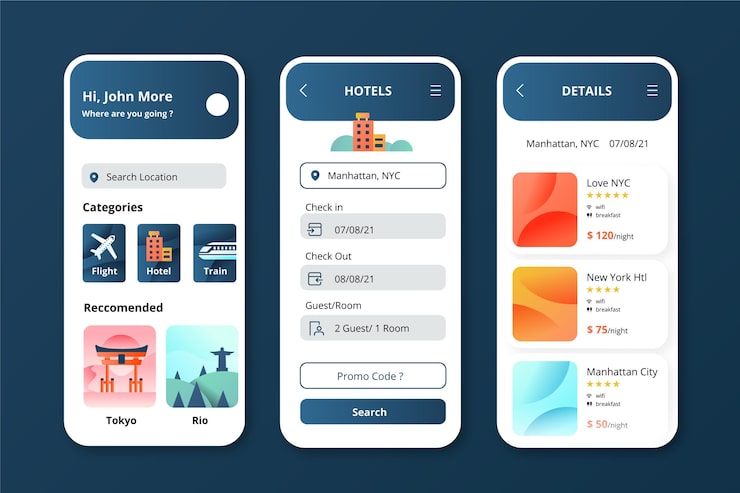
Mobile apps are software specifically designed to run on smartphones and tablets, and can fall into any of the categories above – a mobile banking app is business software, a mobile game is entertainment software, and a mobile learning app is educational software, each simply adapted for a mobile operating system like iOS or Android.
Why These Categories Matter for Buyers
Understanding which type of application software you actually need helps avoid two common mistakes: overpaying for a broad, general-purpose tool when a simple specialised application would do the job better, or trying to force a general tool to handle a highly specific industry process it was never designed for. A dental practice, for example, will usually get far more value from vertical practice management software than from adapting a general spreadsheet or CRM tool to manage patient records.
It’s also worth noting that many modern applications blur these lines deliberately, combining productivity, communication, and business functions within a single cloud platform, so buyers should focus on the specific tasks they need to solve rather than assuming a piece of software fits neatly into just one category.
Conclusion
Understanding the different types of application of software helps individuals and businesses identify the right tools for their needs, whether that’s general productivity software, a specialised industry system, or a communication platform. As software continues to evolve, many of these categories increasingly overlap, with cloud-based platforms often combining features from several types into a single integrated solution.